Captain Wes Bodden Launches His Summer Campaign For “Lured Out” Fishing Guide Service in Port O’Connor, Texas

FOR IMMEDIATE RELEASE

Captain Wes Bodden Launches His Summer Campaign For “Lured Out” Fishing Guide Service in Port O’Connor, Texas

Port O’Connor, TX – May 6, 2025 – Captain Wes Bodden, a seasoned angler with deep roots in Texas coastal fishing, proudly announces the launch of his premier fishing guide service, Lured Out, in Port O’Connor, Texas. This venture offers tailored fishing experiences for anglers of all skill levels, focusing on inshore fishing adventures in one of Texas’s most bountiful coastal regions.

With over a decade of experience navigating the intricate waterways of Port O’Connor, Captain Bodden brings unparalleled knowledge and passion to every trip. Lured Out targets the area’s renowned inshore species, including redfish, speckled trout, flounder, sheephead, and black drum. Whether guests are seasoned anglers or first-time fishermen, Captain Bodden ensures a memorable and productive day on the water.

Services Offered:

Inshore Fishing Charters: Half-day and full-day trips targeting redfish, trout, and flounder.

Jetty Fishing for all the above and more

Family-Friendly Outings: Customized trips suitable for all ages, focusing on education and fun.

Sight Fishing: For the more experienced angler seeking a challenging and rewarding experience.

Captain Bodden’s commitment to safety, education, and conservation sets Lured Out apart. He provides all necessary equipment, including rods, reels, bait, and safety gear, ensuring guests can focus solely on the fishing experience.

About Captain Wes Bodden:

A native Texan, Captain Bodden has spent his life exploring the Gulf Coast’s rich fishing grounds. His deep respect for the ecosystem and dedication to sustainable fishing practices make him a trusted guide and steward of the environment. His personable approach and wealth of knowledge have earned him a loyal following among local and visiting anglers alike.

Booking Information:

To book a trip with Lured Out or to learn more about the services offered, interested parties can contact Captain Wes Bodden directly:

Phone: (325) 315-8345

Website: www.luredout.com

Embark on an unforgettable fishing adventure with Captain Wes Bodden and discover the incredible fishing waters of Port O’Connor, Texas.

Media Contact:

Captain Wes Bodden

Owner & Operator, Lured Out

Phone: (325) 315-8345

Email: [email protected]

Website: https://www.luredout.com

The Best Time of Year to Trim Trees

Need emergency tree trimming after a storm? 1 Two Tree Trimming is on call in San Antonio to help restore your property.


The Best Time of Year to Trim Trees

Imagine a gardener patiently waiting for the first signs of spring, knowing that timing can make or break their harvest. Just like that gardener, you need to contemplate the right moment for trimming your trees to guarantee they thrive. While late winter to early spring is often touted as the prime season for pruning deciduous trees, not every tree follows the same rhythm. Understanding these nuances can profoundly impact your tree’s health and growth, but what about those trees that don’t fit the mold?

Understanding Tree Growth Cycles

Understanding growth cycles is essential for effective trimming in tree care. Trees typically have distinct growth phases: dormancy, active growth, and maturation.

During dormancy, usually in winter, trees conserve energy and prepare for the upcoming growth season. This is the best time for major trimming since the tree is less stressed and can recover more efficiently.

As spring approaches, trees enter the active growth phase. You’ll notice new leaves and buds forming, and avoiding heavy trimming is vital during this time. Cutting branches now can hinder their flourishing ability and may lead to shock. Instead, focus on light pruning to promote healthy growth without risking damage.

In summer, trees are fully leafed out, and their structure is clearly visible. This is a good time for maintenance trimming, like removing dead or diseased branches.

Finally, as fall arrives, trees start preparing for dormancy again. You can do some light pruning, but it’s wise to avoid significant cuts as the tree needs to focus on storing energy for winter.

Understanding these growth cycles helps you decide the best moments to trim, ensuring a healthy, thriving tree.

Seasonal Benefits of Tree Trimming

Trimming your trees at the right times can encourage healthy spring growth and take advantage of their winter dormancy.

Fall trimming prepares your trees for the colder months and enhances their appearance.

Understanding these seasonal benefits can help you make the best decisions for your landscape.

Spring Growth Encouragement

Spring’s arrival brings a unique opportunity for tree health, making it the perfect time to trim your trees. Trees begin their active growth phase as the days get longer and temperatures rise. Trimming during this time encourages healthy new growth, allowing your trees to thrive.

By removing dead or overcrowded branches, you improve aesthetics and promote better air circulation and sunlight penetration, which are essential for robust foliage.

Additionally, spring trimming helps shape the tree, guiding its growth in the desired direction. This is especially important for young trees, as it sets the foundation for their future structure. You’ll notice that your current cuts can lead to a stronger, more resilient tree.

Moreover, trimming in spring can help you spot any potential issues early, such as disease or pest infestations. Addressing these problems promptly can save you time and effort later.

Winter Dormancy Benefits

Trimming trees during their winter dormancy offers several significant benefits that can enhance their health and appearance. Pruning during this time reduces the risk of introducing pests and diseases that are more active in warmer months. This proactive approach helps keep your trees healthy and thriving.

Additionally, winter trimming allows you to easily see the tree’s structure without the distraction of foliage. You can identify and remove dead or diseased branches more effectively, promoting better air circulation and light penetration for the remaining branches. This can lead to stronger growth once the spring season arrives.

Another advantage is that trees are less stressed in the winter. Since they’re not actively growing, they can recover from pruning more efficiently, which means you’ll likely see faster healing and less sap loss.

Plus, your pruning efforts can encourage a more balanced shape and size, enhancing your landscape’s overall aesthetics.

Fall Aesthetic Improvement

Autumn brings a unique opportunity to enhance your landscape’s visual appeal; strategic tree trimming can amplify that seasonal beauty. As leaves change color and fall, trimming your trees can create a cleaner, more defined look in your yard. By removing overgrown branches and dead wood, you allow the vibrant colors of the remaining foliage to shine.

Trimming also improves the overall structure of your trees, promoting healthier growth. It’s the perfect time to shape your trees to showcase their natural form, making them stand out against the backdrop of autumn hues. Well-maintained trees look more attractive and create an inviting atmosphere for gatherings and family activities.

In addition, proper trimming can increase sunlight exposure for your lawn and other plants, fostering a lively, flourishing landscape. This seasonal maintenance can greatly enhance curb appeal, making your property more attractive to neighbors and potential buyers.

Winter: Ideal for Dormant Trees

When trees lie dormant in winter, it’s the perfect time to tackle tree trimming. This season offers several advantages for your trees and can set the stage for healthier growth in the upcoming months. Since trees are in a resting state, trimming them now minimizes stress and helps avoid sap loss, which can occur during active growth.

When you trim in winter, you can easily see the tree’s structure without the distraction of leaves. This visibility allows you to more effectively identify and remove dead, damaged, or crossing branches. It’s also a great opportunity to shape your trees, ensuring they maintain a healthy form as they grow.

Trimming during this time can also prevent pests and diseases that thrive in warmer months. Addressing any potential issues now will help your trees stay strong and resilient when spring arrives.

Just make sure to use clean, sharp tools to make precise cuts, promoting quicker healing.

Spring: Encouraging New Growth

As spring arrives, it’s the perfect time to focus on pruning your trees for ideal growth.

Trimming them now encourages healthy foliage development and guarantees your trees thrive throughout the season.

Timing your cuts right can make all the difference in their overall health and appearance.

Optimal Timing for Pruning

Pruning trees in spring consistently encourages new growth, making it an ideal time for this vital task. As the weather warms and your trees start to awaken from dormancy, you’ll want to take advantage of this period to shape and invigorate them.

Timing is essential; aim to prune just before the growth spurt begins, typically in late winter or early spring. This allows trees to heal quickly and promotes robust new shoots.

When you prune during this prime window, you remove dead or damaged branches that can hinder growth. You also encourage better air circulation and sunlight penetration, which are important for healthy development.

Focus on cutting back branches that are crossing or rubbing against each other, as they can create wounds that attract pests and diseases.

Remember that different tree species may have specific pruning windows, so it’s wise to research your types.

By being proactive and tending to your trees in spring, you’ll set them up for a successful growing season, resulting in lush foliage and strong structural integrity.

This careful timing guarantees your trees thrive and enhances your landscape’s beauty.

Promoting Healthy Foliage Growth

Spring is the perfect season to promote healthy foliage growth in your trees. As temperatures rise and days get longer, trees begin to awaken from winter dormancy, making it an ideal time for you to trim and nurture them. By pruning during this season, you encourage new growth and help your trees develop a strong framework for the upcoming year.

Start by removing any dead or damaged branches. This will improve the tree’s appearance and prevent the spread of disease.

Next, focus on thinning out crowded branches to allow more sunlight to penetrate the canopy. This will enhance air circulation and guarantee that all leaves receive adequate light, promoting robust foliage growth.

Don’t forget to shape your trees as you prune. A well-shaped tree can maximize leaf exposure and improve overall health.

After pruning, consider applying a slow-release fertilizer to give your trees the nutrients they need to flourish. Regular watering, especially during dry spells, is also essential to support new growth.

Summer: Managing Tree Density

Managing tree density becomes essential for maintaining your landscape’s health and aesthetics during the summer months. As trees grow lush and full, overcrowding can lead to competition for sunlight, water, and nutrients. To keep your trees thriving, assess the density of your canopy regularly. If you notice overlapping branches or poor air circulation, it’s time to take action.

Start by identifying any weak or unhealthy branches. Prune them back to allow more light to reach the inner foliage of your trees. This improves overall health and helps reduce the risk of disease.

Focus on removing crossing branches and those that grow towards the tree’s center, which can create a tangled appearance.

You should also consider the species of trees in your landscape. Fast-growing varieties may need more frequent thinning to prevent them from overshadowing slower-growing companions.

Remember, summer pruning should be light to avoid stressing the trees. Avoid cutting too much at once; a little goes a long way.

Fall: Preparing for Winter

As summer fades, it’s time to prepare your trees for the winter ahead. Fall is a critical season for tree care, and trimming now can help your trees thrive when the colder months arrive.

Start by evaluating your trees for dead or damaged branches. Removing these improves the tree’s appearance and reduces the risk of limbs breaking under the weight of snow or ice.

Next, focus on shaping your trees. This is the ideal time to promote healthy growth by pruning for structure, ensuring that branches have enough space to grow without competing. While you want to avoid heavy pruning, light trimming can encourage stronger growth in the spring.

Don’t forget to clean up fallen leaves and debris around your trees. This helps prevent pests and diseases from overwintering in your yard.

Finally, consider applying mulch around the base of your trees. Mulch acts as insulation, protecting roots from freezing temperatures and retaining moisture.

Species-Specific Pruning Guidelines

When it comes to pruning, you need to consider the specific needs of different tree species.

Deciduous trees have their own guidelines, while evergreens require a different timing approach.

Flowering trees also need special care to guarantee a healthy bloom, so let’s break down what you should know.

Deciduous Trees Guidelines

Pruning deciduous trees requires attention to each species’ specific needs to promote healthy growth and maintain their shape. Start by identifying your tree type, as different species have unique requirements. For instance, oak trees thrive when pruned in late winter or early spring, while maple trees benefit from pruning during late summer to avoid sap loss.

When pruning, always remove dead or damaged branches first. This prevents disease and encourages new growth. Prune trees like birch in late summer to minimize bleeding, as they tend to leak sap if pruned in spring.

If you’re caring for flowering species like dogwoods or magnolias, prune immediately after flowering to guarantee you don’t cut off next year’s blooms.

Assess the tree’s structure and remove any crossing branches that could cause issues down the line. For larger trees, especially if the branches are high or dangerous, consider hiring a professional.

Always use clean, sharp tools to make clean cuts. This promotes quicker healing and reduces the risk of infection. By following these guidelines, you’ll help your deciduous trees flourish beautifully.

Evergreen Trees Timing

Consistently timing your pruning of evergreen trees is essential for maintaining their health and appearance.

Different species of evergreens require specific timing for ideal results. For example, pines generally benefit from pruning in late winter to early spring, just before new growth begins. This timing allows you to remove any dead or diseased branches without disrupting their growth cycle.

On the other hand, spruces and firs can be pruned in late spring to early summer. This is when you can effectively shape them and remove any unwanted branches without risking damage to their current year’s growth.

If you have junipers, you can prune them throughout the year, but avoid heavy pruning during the late summer or fall, as this can expose them to winter stresses.

Flowering Trees Care

Maintaining the health of flowering trees requires attention to their specific pruning needs, which can vary widely among species.

For instance, spring-flowering trees like dogwoods and cherry trees should be pruned right after they finish blooming. If you wait too long, you risk cutting off next year’s blooms.

Conversely, summer-flowering trees such as crape myrtles can be pruned in late winter or early spring before new growth begins.

Regarding species like magnolias, it’s best to prune sparingly. They can be sensitive to heavy pruning, so only remove dead or crossing branches to maintain shape.

If you care for a lilac, you should focus on pruning away spent flowers after blooming to encourage new growth.

Always use clean, sharp tools to make precise cuts, promoting quicker healing.

Avoid pruning too much at once; taking a little off each year is better than removing large branches that can stress the tree.

Local Climate Considerations

When deciding the best time to trim trees, local climate plays a crucial role in your timing. Each region experiences weather patterns that considerably impact tree health and growth.

For instance, if you live in a colder climate, late winter or early spring is often ideal. Trees are still dormant, reducing stress and promoting quicker recovery once the growing season begins.

In warmer climates, however, you might want to wait until late summer or early fall. This timing allows you to avoid potential stress during the hottest months and lets trees recover before facing winter.

Rainy climates also require attention; pruning during the dry season can help minimize the risk of fungal infections.

You should also consider wind patterns and storm seasons. Trimming before the storm season can prevent limb breakage and damage if you’re in an area prone to high winds.

Signs Your Tree Needs Trimming

Understanding your local climate helps you determine when to trim your trees, but recognizing the signs that your tree needs trimming is just as important. You should keep an eye out for several indicators that your tree may require attention.

First, look for dead or dying branches. If you notice brittle branches, have no leaves, or appear discolored, it’s time to trim them away. These branches detract from your tree’s appearance and can pose a safety hazard if they fall.

Next, check for excessive crossing or rubbing branches. When branches interfere with one another, they can cause wounds that invite pests and disease. Pruning these branches promotes healthy growth.

Another sign to watch for is the tree’s overall shape. Trimming can help restore its natural form if it looks unbalanced or lopsided.

Finally, if your tree’s growth has become dense, reducing its foliage can improve light penetration and air circulation.

Keeping these signs in mind will help you maintain the health and beauty of your trees, ensuring they thrive for years to come.

Tools and Techniques for Pruning

To prune your trees effectively, you’ll need the right tools and techniques. For smaller branches, start with sharp, clean pruning shears. These will help you make precise cuts, promoting quicker tree healing.

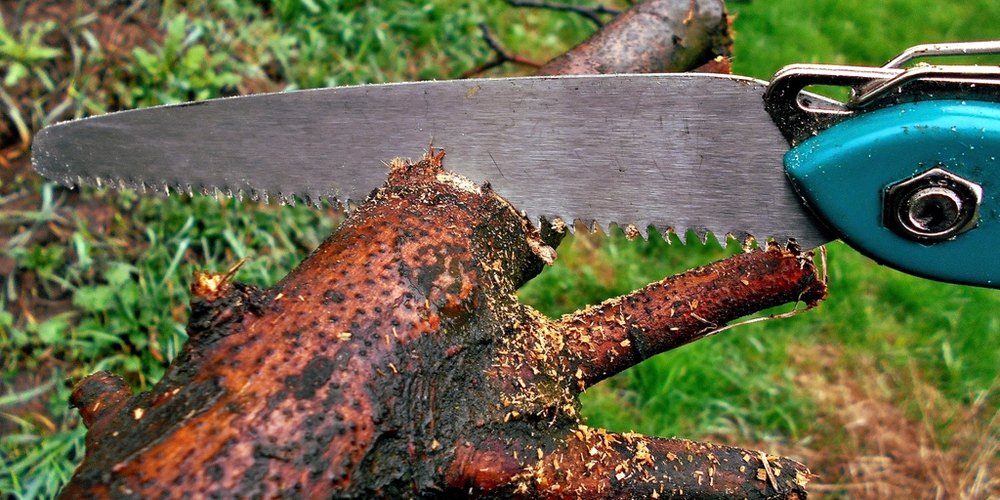
For larger limbs, a lopper provides the extra leverage you need. If you’re tackling thick branches, consider a pruning saw, which will cut through wood smoothly.

Always remember to disinfect your tools between cuts to prevent spreading disease.

When it comes to techniques, focus on removing dead or damaged branches first. This not only improves the tree’s health but also encourages new growth. Aim to make cuts at a 45-degree angle, just above a bud or branch junction; this helps water runoff and minimizes rot.

Be cautious not to remove more than 25% of the tree’s canopy in a single season, as over-pruning can stress the tree.

Finally, consider the shape of the tree while pruning, aiming for an open center that allows sunlight to penetrate. With the right tools and techniques, you’ll keep your trees healthy and thriving for years to come.

Conclusion

In summary, knowing when to trim your trees can make a significant difference in their health and appearance. Did you know that properly timed pruning can increase a tree’s growth rate by up to 25%? By understanding growth cycles and seasonal benefits, you can enhance your landscape while promoting strong, vibrant trees. So, keep an eye on your trees and trim them at the right times to guarantee they thrive for years to come!

More Great Posts About Tree Services Here

https://www.blux.co/how-tree-trimming-affects-local-wildlife-1-two-tree-trimming/
https://www.z1005.com/professional-vs-diy-tree-trimming/
https://www.kzmz-fm.com/how-to-safely-trim-overgrown-trees/
https://www.castlerockfm.com/tree-trimming-for-beautiful-landscaping-1-two-tree-trimming/
https://www.zimtribune.com/types-of-tree-pruning-explained-1-two-tree-trimming/
https://laprensadeanzoategui.com/environmental-benefits-of-tree-trimming-1-two-tree-trimming/
https://www.wjss1330.net/beginners-guide-to-tree-cutting-and-trimming/
https://www.wccinsight.com/tree-trimming-for-disease-prevention/
https://cnu18.org/how-to-trim-fruit-trees-for-a-bigger-harvest/
https://www.radiofenix.net/best-seasons-for-tree-pruning-expert-tips-by-1-two-tree-trimming/
https://baynews9club.com/essential-tools-for-efficient-tree-trimming/
https://www.957theblaze.com/why-regular-tree-pruning-is-essential-for-healthy-growth/

Implants: Step-By-Step Guide From Consultation to Aftercare

At Parkway Family Dental in Windsor, we offer dental implants that are designed to restore your smile and improve your quality of life. Let us help you regain your confidence with our reliable, long-lasting implant options.

Implants: Step-By-Step Guide From Consultation to Aftercare

When you consider dental implants, it’s vital to understand the entire process, starting from your initial consultation. This first step sets the foundation for a personalized treatment plan that addresses your specific needs. As you move through the stages from surgery to recovery each phase plays a significant role in ensuring the success of your implants. You might be wondering what happens during the healing phase or how to care for your new implants to maximize their longevity. Let’s explore these steps and what you can expect along the way. More helpful Information here:

Initial Consultation

During your initial consultation, you’ll discuss your dental needs and evaluate whether dental implants are the right option for you. This meeting is vital, as it sets the foundation for your treatment journey. Your dentist will review your dental history and conduct a thorough examination, which often includes X-rays or 3D imaging to assess your jawbone structure and overall oral health.

You’ll have the opportunity to express any concerns or questions you might have about the procedure, including the timeline, costs, and recovery process. It’s important to be open about your medical history, including any medications or conditions that may affect the healing process. The dentist will explain the benefits of implants, such as improved functionality and aesthetics compared to dentures or bridges.

Additionally, you’ll discuss your lifestyle and any habits like smoking or teeth grinding that could impact the success of the implants. This conversation helps your dentist tailor a treatment plan that suits your individual needs. By the end of this consultation, you should have a clear understanding of what to expect as you consider moving forward with dental implants.

Treatment Planning

In treatment planning, your dentist will create a personalized roadmap based on your specific needs and the results from your initial consultation. This plan will detail the type of dental implant best suited for you, considering factors like bone density, gum health, and any existing medical conditions.

Your dentist may use imaging technology, such as X-rays or 3D scans, to assess your jawbone structure and identify the ideal placement for the implants. They’ll also discuss the number of implants required, whether you need a single implant or multiple ones, and how this will affect your overall dental health.

Additionally, this phase includes a thorough discussion of the timeline for the procedure, including how long healing might take and what to expect during each stage. If necessary, your dentist may recommend preparatory treatments, such as bone grafting, to guarantee your jaw can support the implants.

Pre-Surgery Preparation

Preparing for your dental implant surgery involves several important steps to guarantee a smooth procedure and ideal recovery. First, your dentist will likely provide you with specific instructions tailored to your situation. It’s essential to follow these closely, as they may include guidelines on what to eat or drink before the surgery.

Next, arrange for someone to drive you home after the procedure. Depending on your anesthesia, you might feel groggy and unfit to drive. It’s also a good idea to set up a comfortable recovery space at home with easy access to necessities, like medications and soft foods.

If you’re on any medications, discuss them with your dentist. You may need to adjust or temporarily stop certain medications leading up to your surgery. Additionally, avoid smoking and alcohol for at least 48 hours prior to the procedure, as these can hinder healing.

Lastly, remember to maintain good oral hygiene leading up to the surgery. Brushing and flossing your teeth will help reduce the risk of infection. By taking these preparatory steps, you’ll be setting yourself up for a successful dental implant experience.

Implant Placement Surgery

The implant placement surgery involves carefully inserting a titanium post into your jawbone, serving as a sturdy foundation for your new tooth. This procedure typically takes about one to two hours and is performed under local anesthesia, guaranteeing you’re comfortable and pain-free throughout.

First, your dentist will make a small incision in your gums to expose the bone. Using advanced imaging techniques, they’ll precisely locate the ideal spot for the implant. A small hole is then drilled into the jawbone, where the titanium post is placed. This post mimics the root of a tooth, providing stability for your future restoration.

After placing the implant, your dentist will close the incision with stitches, promoting proper healing. You may experience some swelling or discomfort, but this is normal and can be managed with prescribed pain relief.

It’s essential to follow your dentist’s post-operative care instructions to guarantee a smooth recovery. The success of the implant relies on the precision of this surgery and your adherence to aftercare guidelines, so be attentive to your body’s signals during this important phase.

Healing and Osseointegration

After the implant placement surgery, your body starts the healing process, during which osseointegration occurs, allowing the titanium post to fuse with the jawbone for a stable foundation. This critical phase usually takes several weeks to months, depending on various factors like your overall health and the quality of your bone. During this time, the bone cells grow around the implant, securing it in place.

You might experience some swelling and discomfort, which is completely normal. Your dentist may prescribe pain relief medication to help you manage any discomfort. It’s important to follow their aftercare instructions closely to promote healing and minimize complications.

Maintaining good oral hygiene is essential during this period. Gently brushing your teeth and rinsing with a saltwater solution can help keep the area clean. Avoiding hard or chewy foods will also prevent undue stress on the implant.

Regular follow-up appointments with your dentist are necessary to monitor the healing process. They’ll assess the integration of the implant and make sure everything is progressing as it should. Trust in your body’s ability to heal, and soon you’ll be one step closer to enjoying the full benefits of your new dental implant.

Abutment Placement

Now that your healing process is underway, it’s time to focus on abutment placement. You’ll learn about different types of abutments, the surgical steps involved, and essential tips for a smooth recovery. Understanding these aspects will help you prepare for this important phase of your dental implant journey.

Abutment Types Explained

Understanding the different types of abutments is vital for ensuring a successful dental implant placement. Abutments connect the dental implant and the final restoration, playing an important role in function and aesthetics.

You should be aware of two types of abutments: standard abutments and custom abutments. Standard abutments are pre-manufactured and come in various shapes and sizes. They’re often more cost-effective and quicker to place, making them a popular choice for many patients. However, they may not provide the best aesthetic results in all cases.

On the other hand, custom abutments are explicitly designed for your unique dental anatomy. They allow for better alignment with your natural teeth and can enhance the overall appearance of your restoration. While custom abutments may take longer to fabricate and can be more expensive, the benefits often outweigh the costs regarding functionality and aesthetics.

During the consultation, your dentist will discuss the best option for you. Understanding these differences can help you make informed decisions about your dental implant journey.

Surgical Procedure Overview

During the surgical procedure for abutment placement, your dentist will carefully attach the abutment to the dental implant, ensuring a secure fit for the final restoration. This step usually occurs after the implant has had time to heal and integrate with your jawbone.

First, your dentist will administer local anesthesia to numb the area, making sure you’re comfortable throughout the process. Once you’re numb, they’ll create a small incision in your gum tissue to expose the top of the implant. This allows them to access the implant and position the abutment properly.

After positioning the abutment, your dentist will secure it using screws or other fasteners, depending on the abutment type chosen. It’s important that everything is tightened appropriately to prevent any movement. Once the abutment is in place, your dentist will close the incision in your gums with sutures.

Following the procedure, you might experience some mild discomfort or swelling, which is completely normal. Nonetheless, this step is essential as it prepares the foundation for your custom crown, ensuring a stable and functional result in the long run.

Healing and Recovery Tips

Following some simple healing and recovery tips after your abutment placement is important to guarantee a smooth recovery process. First, make sure to stick to a soft food diet for the first few days. Foods like yogurt, smoothies, and mashed potatoes can help minimize discomfort and prevent irritation around the abutment site.

Your dentist recommends that you manage any discomfort with over-the-counter pain relievers. Also, remember to apply ice packs to the outside of your cheek for 15-20 minutes at a time, as this can help reduce swelling.

Maintaining proper oral hygiene is essential, but be gentle around the surgical site. Brush your teeth as usual, but you might want to avoid the area around the abutment for the first few days. Rinsing with warm salt water can aid in healing and keep the area clean.

Lastly, avoid smoking and limit alcohol consumption, as both can impede the healing process. Keep an eye on the site for any unusual signs like excessive swelling or bleeding, and don’t hesitate to contact your dentist if you have concerns. Your diligence during this period will set the stage for successful healing.

Aftercare and Maintenance

Once your dental implants are placed, maintaining proper aftercare guarantees their success and longevity. First, follow your dentist’s instructions closely regarding medications, including antibiotics and pain relievers, to minimize discomfort and prevent infection.

You should also stick to a soft food diet for the first few days, gradually reintroducing more problematic foods as you heal. Avoid chewing on the implant site and refrain from using tobacco, as it can hinder healing and increase the risk of complications.

Oral hygiene is critical. Brush your teeth gently twice a day, and use a non-abrasive toothpaste. Floss daily, being careful around the implant area to prevent irritation. Your dentist may recommend specific cleaning tools, like interdental brushes, to keep your implants clean.

Regular dental check-ups are essential for monitoring your progress and maintaining your implant’s health. Don’t skip these appointments, as they help catch any potential issues early on. By following these aftercare guidelines, you’ll promote healing and guarantee your dental implants function well for years to come.

In summary, you’ve navigated the journey of dental implants from that first consultation to aftercare. Like planting a seed that blossoms into a strong, healthy tree, your commitment to oral hygiene and check-ups will guarantee your implants thrive for years to come. Remember, each step you’ve taken is a step towards a brighter, more confident smile. Embrace this new chapter, and let your smile shine as brightly as your dedication to your dental health!